Fast fashion has transformed the way clothing is produced, purchased, and discarded. New styles can move from trend to store at remarkable speed, making fashion more accessible and encouraging consumers to update their wardrobes more frequently.
But that speed comes with consequences.
From intensive resource use and textile waste to pollution and overconsumption, the fast fashion model has raised important questions about how our clothing is made, how long we keep it, and what happens to it when we no longer want it.
Understanding these impacts is one reason slow fashion, circular fashion, and upcycling have become increasingly important alternatives.
What Is Fast Fashion?
Fast fashion is a model based on producing clothing quickly and inexpensively in response to rapidly changing trends.
Its speed and affordability can make fashion accessible to a wide audience, but the model also encourages frequent production and consumption. When garments are designed around short trend cycles, they can also be treated as increasingly disposable.
The environmental impact doesn’t come from one single stage. It can occur throughout a garment’s lifecycle, from raw materials and textile production to washing, transportation, and eventual disposal.
1. Carbon Emissions and Energy Use
Producing clothing requires energy at many different stages. Raw materials must be produced or extracted, fibres processed, fabrics manufactured and dyed, garments assembled, and finished products transported through international supply chains.
When fashion is produced at very high volumes and collections change rapidly, these processes are repeated on an enormous scale. This is one reason reducing unnecessary production and extending the useful life of existing garments are important conversations within sustainable fashion.
2. Water Consumption and Pollution
Textile production can require significant amounts of water, particularly during fibre production, dyeing, washing, and finishing. Water pollution is another concern. Chemicals used in textile dyeing and treatment can affect waterways when wastewater is not properly managed. The environmental impact of a garment therefore begins long before it reaches a wardrobe.
3. The Impact of Raw Materials
Different fibres create different environmental challenges. Synthetic fibres such as polyester are derived from fossil-fuel-based resources, while natural fibres can also require significant amounts of land, water, agricultural inputs, and processing. This means there isn’t always one perfect material.
A more thoughtful approach considers not only what a garment is made from, but also how it was produced, how well it was made, how often it will be worn, and how long it can remain useful.
4. Microplastics From Synthetic Clothing
Synthetic textiles can release tiny plastic fibres during washing.
These microfibres can enter wastewater systems and eventually contribute to plastic pollution in aquatic environments.
The issue demonstrates how a garment’s environmental impact can continue even after production and purchase.
5. Textile Waste and Disposable Fashion
One of the most visible problems associated with fast fashion is waste.
When clothing is inexpensive, trend-driven, or quickly replaced, garments can have very short lives in consumers’ wardrobes. Unwanted clothing may be discarded even when it could still be worn, repaired, redesigned, reused, or repurposed.
Slow fashion challenges this cycle by asking a different question:
How can we keep clothing in use for longer?
6. Biodiversity and Ecosystems
Fashion production can also affect natural ecosystems.
Agriculture for natural fibres, extraction of resources for synthetic materials, land use, chemical pollution, and waste can all place pressure on biodiversity.
The impact varies considerably depending on the material and production method, which is another reason sustainable fashion requires looking at the entire lifecycle of clothing rather than focusing on a single label or fibre.
7. Fast Fashion and Overconsumption
Fast fashion isn’t only a production model. It has also influenced the way we think about clothes.
Constantly changing trends can create pressure to buy something new even when our existing wardrobes still have plenty to offer.
A more sustainable relationship with fashion can begin with slowing that cycle down: understanding personal style, choosing pieces more intentionally, wearing garments repeatedly, caring for them properly, and finding new uses for pieces we already own.
What Are the Alternatives to Fast Fashion?
Slow Fashion
Slow fashion prioritizes longevity, thoughtful production, craftsmanship, and a more considered relationship with clothing. Rather than designing solely around rapidly changing trends, the focus shifts toward pieces that can remain meaningful and wearable for longer.
Circular Fashion
Circular fashion aims to keep garments and materials in use instead of treating them as waste at the end of a short lifecycle. That can include repairing, reusing, redesigning, reselling, recycling, and upcycling existing garments and textiles.
Upcycling
Upcycling takes an existing garment, textile, or leftover material and creatively transforms it into something with renewed purpose.
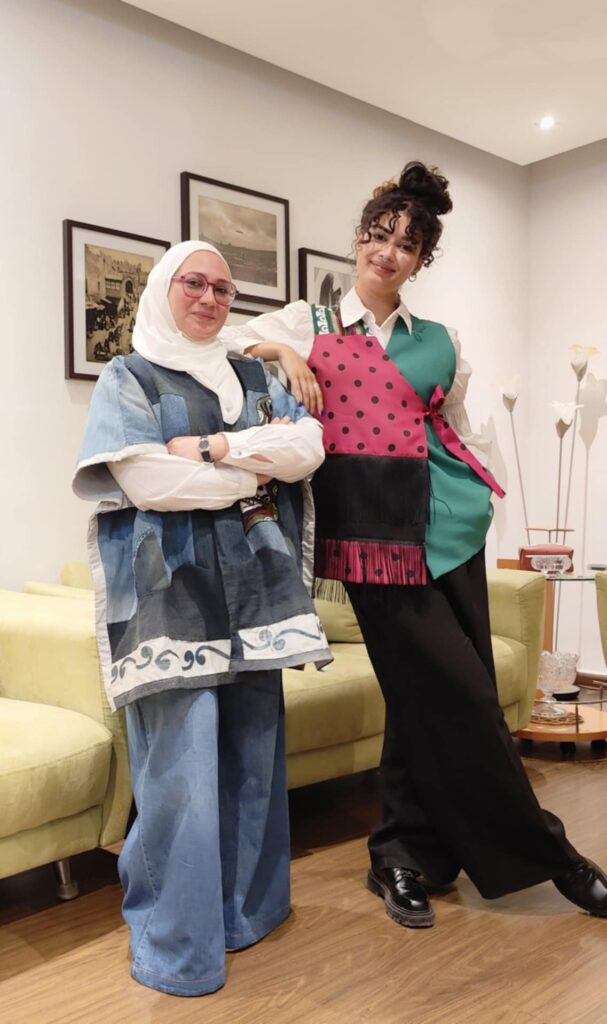
Rather than starting entirely from new resources, the designer works with material that already exists. For Ward by Safa, this approach is not only about reducing waste. It can also become part of the creative process.
How Ward by Safa Uses Upcycling
Sustainability is part of Ward by Safa’s approach to fashion, particularly through redesign and upcycling.
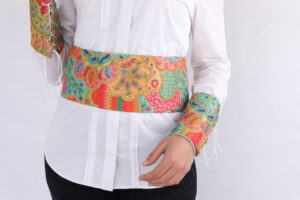
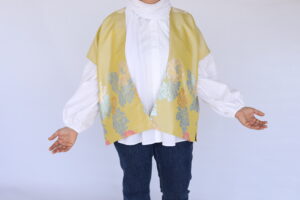
Leftover fabrics can be creatively incorporated into new pieces rather than automatically being treated as waste. Existing garments can also be reconsidered and transformed through Ward’s redesign and upcycling services.
Safa’s original article specifically highlights the use of leftover fabric to create new designs, connecting waste reduction with creativity and individual expression. Article 5 – April 2025 ‘Enviro…
This reflects a wider idea at the heart of Ward: something does not necessarily lose its value simply because it is leftover, older, or no longer being worn in its original form.
Through thoughtful design, it can become part of a new story.
A More Thoughtful Relationship With Fashion
Fast fashion has made clothing faster and more accessible, but it has also contributed to a culture in which garments can become disposable.
Moving toward a more sustainable fashion system requires changes at many levels, from how clothing is produced to how consumers buy, wear, care for, and eventually part with their garments.
For individuals, the starting point can be simple: buy more thoughtfully, wear pieces for longer, care for what you own, and consider repair, redesign, or upcycling before treating a garment as waste.
At Ward by Safa, we believe creativity can give clothing and materials another life.